"Happiness can be found even
in the darkest of times if
one only remembers to turn on the light."

"Happiness can be found even
in the darkest of times if
one only remembers to turn on the light."
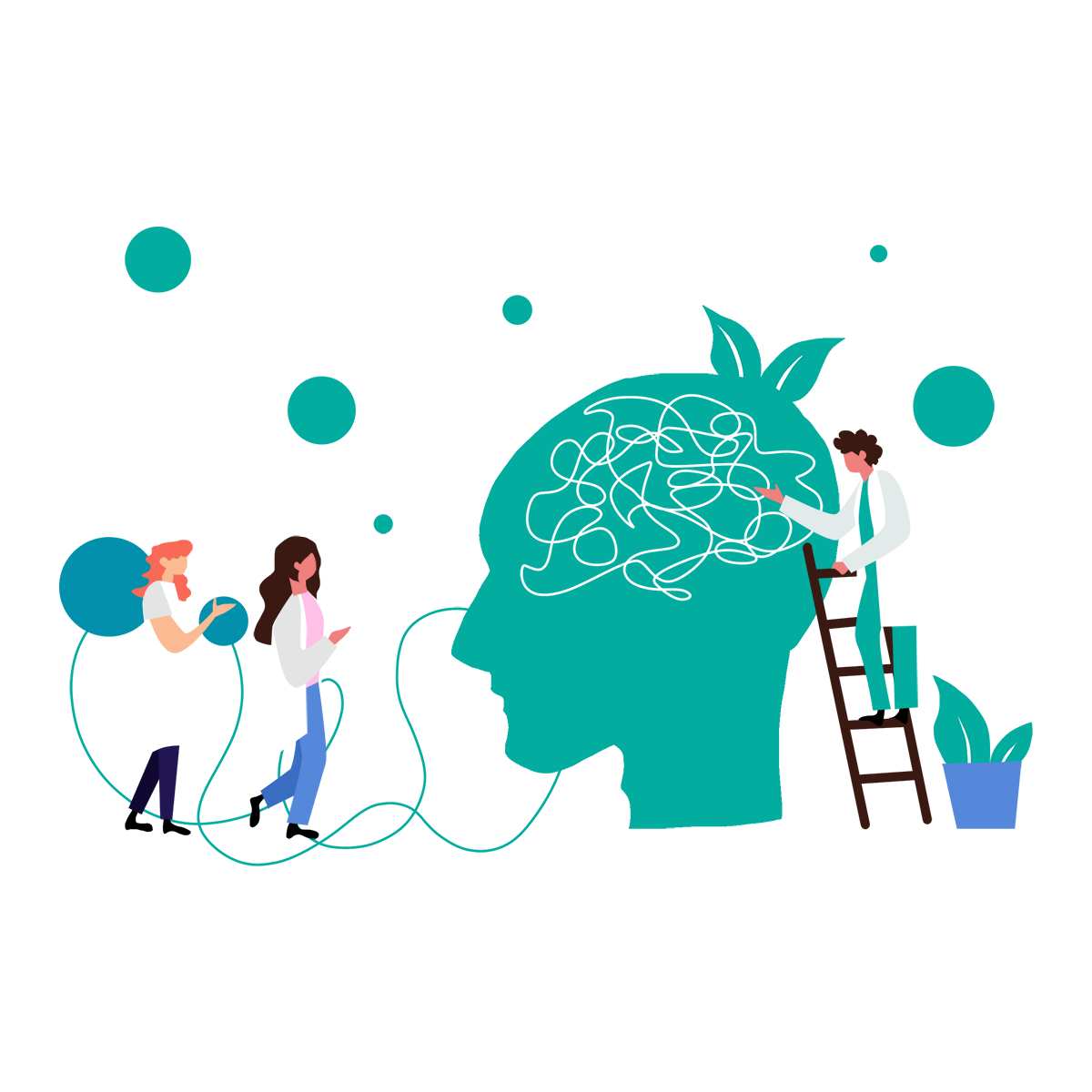
Mental health and anxiety are significant aspects of overall well-being that impact individuals on a global scale. In recent years, there has been a growing recognition and understanding of these issues, leading to increased awareness, support, and efforts to address them effectively.
Mental health encompasses a person's emotional, psychological, and social well-being. It affects how individuals think, feel, and behave, as well as how they handle stress, relate to others, and make choices. Anxiety, on the other hand, is a common mental health condition characterized by persistent worry, fear, or apprehension that can interfere with daily life.

.png)

A: Mental health refers to a person's emotional, psychological, and social well-being, while anxiety is a common mental health condition characterized by persistent worry, fear, or apprehension that can interfere with daily life.
A: Examples of anxiety disorders include Generalized Anxiety Disorder (GAD), panic disorder, social anxiety disorder, and specific phobias.
A: Treatment for anxiety disorders often involves a combination of therapy, medication, and lifestyle changes. Cognitive-behavioral therapy (CBT) is commonly used to identify and change negative thought patterns and behaviors. Medication, such as SSRIs or benzodiazepines, may be prescribed to manage symptoms, alongside therapy. Self-care practices, including exercise, a balanced diet, relaxation techniques, and support from a network, are also beneficial.
A: Society plays a vital role in reducing stigma, promoting mental health, and supporting individuals with anxiety. This involves fostering an environment that prioritizes well-being, encouraging open dialogue, and providing accessible mental health services. Education and awareness campaigns can help challenge misconceptions and provide resources for those seeking help.
A: Individuals can support their mental health by engaging in self-care practices, such as regular exercise, maintaining a balanced diet, practicing relaxation techniques, and fostering healthy relationships. Seeking understanding and support from friends, family, and peers, as well as participating in online communities and support groups, can also be helpful.
A: Yes, with the right support, treatment, and self-care, individuals can learn to manage their anxiety and lead fulfilling lives. Recovery journeys may vary, and it's important to seek appropriate help and remain committed to one's well-being.